Food & Beverage
Tourism Is Growing, But Greece's Biggest Opportunity Lies in Food & Beverage
Greece's tourism industry has entered 2026 with exceptional momentum. According to the Bank of Greece, international tourist arrivals increased by 38.3% during the first quarter of the year, while tourism receipts rose by an impressive 64.3% compared with the same period in 2025. As the season progressed, the positive trend continued, confirming Greece's position as one of Europe's fastest growing tourism markets.
For investors, these figures appear to send a clear message. More visitors should naturally create more business opportunities across hospitality. However, behind these impressive numbers lies another reality that is receiving far less attention.
While tourism demand continues to grow, Greece's hospitality industry is facing one of its biggest operational challenges in decades. Industry associations estimate that hotels, restaurants and tourism businesses are currently operating with a shortage of approximately 80,000 employees. Many businesses are struggling to recruit qualified staff, forcing them to reduce operating hours, simplify menus or limit their capacity during peak periods.
These two developments are occurring simultaneously. Demand is increasing rapidly, while the industry's ability to serve that demand is becoming increasingly constrained. For investors, this is where the real opportunity begins.
A Growing Tourism Market Does Not Automatically Create Better Hospitality Businesses
Tourism growth is often interpreted as a simple demand story. More visitors are expected to generate higher revenues across hotels, restaurants and cafés. Reality is more nuanced.
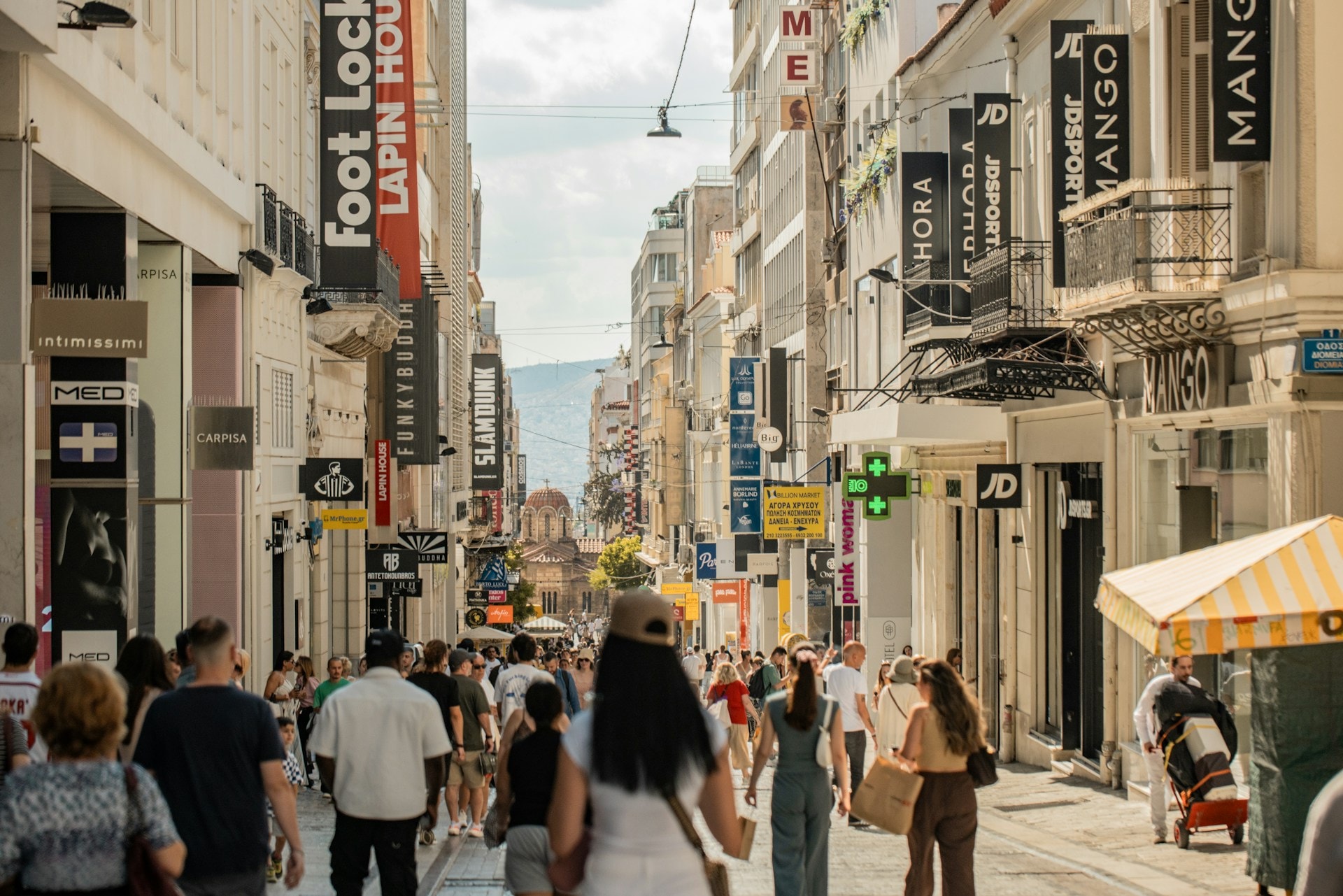
Every additional tourist creates demand far beyond accommodation. Visitors spend throughout the day on coffee, breakfast, bakeries, casual dining, grab and go concepts, bars, healthy food, desserts and premium beverage experiences. As international arrivals continue to increase, these categories benefit directly from higher consumer spending. Yet many existing businesses are finding it increasingly difficult to capture this opportunity.
The challenge is no longer attracting customers. It is serving them efficiently. The shortage of qualified staff has become one of the defining issues for the hospitality industry. Businesses that were designed around labour intensive operations are under pressure as recruitment becomes more difficult and operating costs continue to rise.
This creates a structural imbalance. Demand is growing faster than the industry's operational capacity. For investors, this imbalance deserves far more attention than tourism growth alone.
The Next Opportunity Is Smarter Food and Beverage Businesses
The immediate conclusion might be that Greece simply needs more restaurants and cafés. That is only partially true. The market does not necessarily need more businesses. It needs better designed businesses.
Successful Food and Beverage concepts over the coming years will increasingly be defined by operational efficiency rather than size alone. Simplified menus, optimized kitchen layouts, digital ordering, stronger workflows, carefully selected product offerings and distinctive brand positioning will become important competitive advantages.
Customers continue to expect quality and memorable experiences. At the same time, operators must deliver those experiences with leaner teams and greater efficiency. Rather than asking whether tourism will continue growing, investors should ask which business models are best positioned to operate successfully under today's market conditions.
A Market Opportunity Across Greece
Although Athens remains one of the country's most dynamic hospitality markets, the opportunity extends well beyond the capital. Popular islands, regional cities and emerging tourism destinations are all experiencing increasing visitor numbers. In many of these locations, hospitality businesses face exactly the same challenges of labour shortages, operational efficiency and changing customer expectations.
This creates opportunities for scalable Food and Beverage concepts that can adapt to different markets while maintaining consistent operational standards. The businesses that succeed over the next decade are likely to be those that understand both sides of the equation. Growing demand creates opportunity, but operational excellence determines profitability.
The CLIO Perspective
Tourism statistics tell only part of the story. The more valuable insight lies in understanding how structural market changes create investment opportunities.
Strong visitor growth combined with significant labour shortages is transforming the hospitality industry. Businesses are no longer competing only on food quality, location or interior design. Increasingly, they compete on efficiency, operational resilience and the ability to deliver consistent customer experiences despite limited human resources. This creates an attractive environment for investors who are willing to think strategically.
Rather than replicating traditional Food and Beverage businesses, the greatest opportunities may lie in creating concepts designed specifically for today's market realities. Businesses that integrate efficient operations, thoughtful design, strong branding and scalable systems will be better positioned to benefit from Greece's long-term tourism growth.
At CLIO, we believe successful investment begins long before a location is selected or construction starts. It begins with understanding how markets evolve, where structural gaps exist and how carefully designed business concepts can respond to changing consumer behaviour and industry dynamics.
As Greece continues strengthening its position as a global tourism destination, the next generation of successful Food and Beverage businesses will not simply serve more visitors. They will serve them more intelligently.
Have an opportunity in mind?
Real estate, a business idea, or an investment opportunity. Let's explore it together.
Let's talk