Real Estate Insights
Where Has Greek Real Estate Performed Best? A Data Driven Analysis of Greece's Strongest Property Markets
For many international investors, the Greek real estate market is often viewed through a single lens: Athens. As the country's capital and largest economic centre, it naturally attracts the greatest attention. Yet recent market data tells a more nuanced story. While Athens remains Greece's most established property market, some of the country's strongest recent growth has taken place elsewhere.
Over the past several years, Greece has emerged as one of Europe's most resilient residential property markets. Following a prolonged period of correction after the financial crisis, values have recovered steadily, supported by economic stability, foreign investment, tourism, limited housing supply and renewed confidence in the country's long-term outlook. Today, investors are no longer asking whether Greece is worth considering. Instead, the more relevant question has become where the strongest opportunities can be found.
Official figures published by the Bank of Greece illustrate how the market has evolved. Although Athens continues to offer depth, liquidity and international visibility, regional cities have recently delivered stronger annual price growth. This shift highlights an important trend that investors should understand before making purchasing decisions.
Looking Beyond Athens
Athens remains the country's benchmark market for residential investment. It offers the largest transaction volume, a diverse buyer base and a broad mix of residential neighbourhoods ranging from historic districts to emerging urban regeneration areas. For investors seeking liquidity and long-term market stability, Athens continues to present compelling advantages.
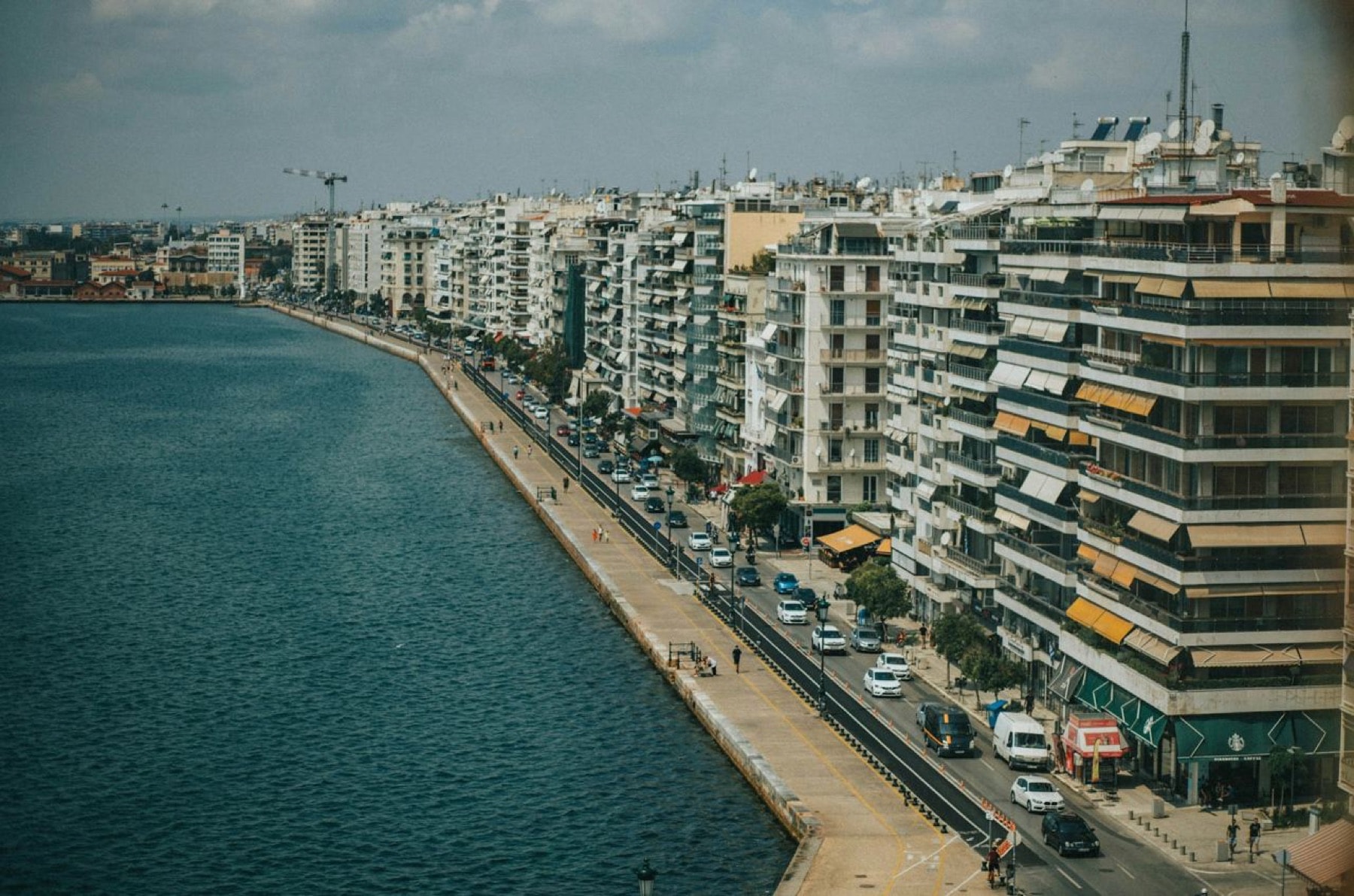
However, the latest Residential Property Price Index from the Bank of Greece shows that Athens is no longer the fastest-growing market in the country. During the most recent reporting period, residential prices increased by approximately 6.2% in Athens, while Thessaloniki recorded 9.6%, other major Greek cities reached 9.8%, and other regions of Greece grew by 8.8%.
These figures do not suggest that Athens is losing its attractiveness. Instead, they indicate that several regional markets are currently experiencing a different stage of the property cycle. Lower entry prices, improving local economies, infrastructure investment and growing domestic demand have created favourable conditions for stronger short-term growth outside the capital.
Growth Is Only One Part of the Investment Equation
While annual price growth attracts headlines, successful property investment depends on a broader assessment of market fundamentals.
Athens continues to benefit from its role as Greece's financial, administrative and business centre. Regional cities often provide lower entry prices and stronger recent appreciation, while rental demand, liquidity and long-term economic fundamentals remain equally important when assessing investment opportunities.
The strongest investments are rarely identified by selecting the city with the highest annual growth. Instead, they emerge from balancing capital appreciation, rental performance and long-term market resilience.
A More Diverse Investment Landscape
The Greek real estate market has matured significantly since its recovery began in 2017. Rather than being driven by a single city, today's market presents investors with a broader range of opportunities across multiple regions.
Athens continues to offer scale and resilience, while Thessaloniki and several regional cities have demonstrated strong momentum. As the market evolves, investing successfully in Greece is no longer simply about choosing the country. It is about choosing the right location within it.
Have an opportunity in mind?
Real estate, a business idea, or an investment opportunity. Let's explore it together.
Let's talk